Showing posts with label gut. Show all posts

Sunday, May 10, 2026

New Guidelines For Fueling

I was sharing with some my patients this past week how I found it amazing that Sebastian Sawe was able to consume 115 grams of carbs an hour in his sub-2 hour marathon. Previous recommended guidelines were between 60-90 grams an hour.

Lo and behold, a patient shared that in the Nice Ironman last year, Casper Stornes (1st place) and Kristian Blummenfelt (3rd) took 120 grams of carbs while running and up to 180 grams on the bike.

Intrigued by what he sent me, I found a recently published review article by Morton et al (2026) which revisits carbohydrate guidelines for endurance athletes. So are the previous fueling recommendations enough?

When training and/ or racing for prolonged periods, carbohydrate intake will spare liver glycogen while maintaining your blood glucose levels. Most importantly, it helps one to sustain higher intensities nearer the end of your race. When everyone else is going faster, you do not want to run out of fuel and slow down.

Fueling is not to just avoid bonking (or hitting the dreaded wall). It is also to delay the shift from using carbohydrates to fat. That shift is not bad, but when you are trying to go fast without carbohydrates it is going to be very difficult. Note that if you are doing Zone 1 or 2 for many hours (like in an ultra marathon) at low intensities, then this shift may not occur.

When one consumes enough carbohydrates during endurance exercise, long ultra race, Ironman event etc, it delays the "crossover point".  This is when carbs stop being the predominant fuel due to glycogen depletion or low carb availability.

You can see from the diagrams above that if no carbs are consumed (0 grams each hour), this happens around 2 hours. With 45-90 grams/ hour, it delays the crossover point by 30-60 minutes. If 120+ grams/ hour of carbs are consumed, there is no crossover point since carbohydrates remain the predominant fuel source while exercising. At least not in cycling studies as the subjects exercised at 90 percent lactate threshold for 3 hours. It may still occur in longer races.

For runners, the review looked at elite male marathoners with personal bests under 2:30 hrs. They completed a 2 hour treadmill protocol close to marathon race intensity while consuming 60, 90 or 120 grams of carbs each hour. 

Those who ingested 120 grams used more of the ingested carbs leading to higher carbohydrate oxidation. They had a roughly 3 percent improvement in running economy compared to 60 grams per hour. There was also greater carbohydrate contribution to total energy expenditure late in the run. Now you know why Sabastion Sawe never slowed down in his sub-2 hour London marathon. 

There's a catch. Gastrointestional (GI) symptoms were also higher at 120 grams/ hour. Nausea, stomach fullness, and cramping were worse in the highest carb intake. More carbs may offer an advantage, but only if your gut can absorb and tolerate them.

The researchers say that runners should use 90 grams of carbs or more per hour as a realistic target for long, hard events. For trained athletes, the range may extend closer to 120 grams per hour. Fueling should be treated like a trainable skill, provided the gut has been trained to handle it.

Runners will find it more challenging compared to cycling since it's much easier to eat on the bike. All the moving, reduced blood flow to the gut, heat stress may lead to higher rates of GI distress.

This is an exciting review for fueling, but do note that most of the research comes from cyling, male athletes and in controlled lab settings. Female athletes are under-represented as well as real world running/ racing conditions.

My takeaway message? For some of you runners, 90-120 grams/ hour will most certainly help your times. Others may benefit from 60-75 grams/ hour. For other runners, it may be just progressing from under-fueling to consistently fueling and getting a personal best no matter how many grams of carbs that may be.

Reference

Morton JP, Fell JM, Gonzalez JT et al (2026). From Metabolism To Medals: Contemporary Perspectives And Revisiting Carbohydrate Guidelines For Fueling Endurance Athletes During Exercise. J Nutrition. 156(5). DOI: 10.1016/j.tjnut.2026.101442

Sunday, June 18, 2023

Artificial Sugars Are Not Better

I am sure you know of someone who is trying to cut back on sugar for health reasons since consuming too much sugar is not good for your health. 

'Fake' sugars (artificial sweenteners and sugar substitutues) are very popular since many people consider them to be a healthier alternative to the real thing. Low and zero calorie sweeteners have been used in diet drinks for decades.

Under new Food and Drug Administration (FDA) guidelines (in USA), companies will no longer be allowed to label a food as "healthy" unless it adheres to strict new limits on added sugars. One way food companies can adhere to these proposed rule is to replace added sugars in foods with artificial sweeteners.

So the food industry 'helps' by quietly replacing sugar in packaged food with sucralose, stevia, allulose, erythritol and many other artifical sweeteners and sugar substitutes. These packaged foods include bread, yogurt, muffins, oatmeal, salad dressings, canned soups, condiments and snack bars.

Researchers and scientists used to think that sugar substitutes were mostly inert, that they just activate sweet receptors on our tongues and pass through our bodies without causing any metabolic changes.

Well, latest guidelines from WHO now say that consuming too much 'fake' sugar is much worse. Yes, artificial sweenteners and sugar substitutues might sweeten your food without increasing calories, but studies show that they can affect your gut, metabolic, heart health, promote stronger sugar cravings and affect your insulin resistance, a precursor to Type 2 diabetes.

Since these low calorie sweeteners are so commonly found in the food we consume, most people are not even aware that they are there. They are high intensity sweeteners because the are often hundreds of times sweeter than table sugar. Some are synthetic like aspartame, saccharin and sucralose while others like allulose, stevia and monk fruit extract are referred to as "natural" since they are derived from plants.

Sometimes, they are listed as adventame, neotame and acesulfame potassium, names that are not so easily recognizable at all.

Just so you know, many of these sweeteners are also found in cereals, juices, chocolate milk and other packaged food marketed to kids despite opposition from public health groups.

When subjects were given aspartame, saccharin, stevia or sucralose (even well below FDA's daily allowances), they caused changes both in function and composition of their gut's microbiomes, bacteria, viruses and fungi (Suez et al, 2022) that become detrimental to our metabolic health. 

These microbiomes are very important as they transform the food we eat into enzymes, hormones and vitamins. The microbiomes produce compounds that reduces inflammation, and other health benefits when we eat nutritious fiber rich food like fruits, vegetables and nuts.

In that same study (Suez et al, 2022), saccharin and sucralose worsened subjects' blood sugar control, some more dramtically than others suggesting that these sweeteners have different effects on different people.

Drinking beverages made from sucralose can cause insulin resistance (Yamina, 2018), a precursor to diabetes. Food we eat is normally converted to glucose, which causes the pancreas to release insulin. Insulin either uses the glucose for energy (especially when we exercise) or store the glucose. 

Insulin resistance happens when too much sugar substitute is consumed, disrupting the process (of the pancreas releasing insulin), causing your cells to stop responding properly to insulin and leads to chronically elevated blood sugar levels.

These artificial sweeteners also affect our brains and appetites. The sweet taste receptors on our tongues tells our brain that we are eating something sweet, signaling to the brain and body that an influx of calories are coming. However, these artificial sweeteners are much more potent than normal sugar with fewer or none of the calories, they can confuse the brain and taste receptors causing stronger sugar cravings. 

A large study also found that a high intake of artificial sweeteners increased the risk of strokes and coronary heart disease (Debras et al, 2022), while another study found  that erythritol consumed in large amounts stayed in subjects' system for days and had the potential to cause blood clots (Witkowski et al, 2023).

So what do you do? Eat sugar and be damned. Eat fake sugar and be even more damned. My suggestion is to learn to read food labels and ingredient lists to avoid them or have as little as possible.

Coke Zero is worse than the original

For those less geeky, be very cautious about replacing sugary food with sugar substitutes. It is best not to consume any kind of low or no calorie sweentener in moderation or none at all. Yes! I get to drink real Coke after my long Saturday rides before work! (Me thinking out loud). I never liked diet Coke or Coke Zero anyway. Remember, real sugar is not your enemy during long exercise sessions and definitely not immediately after an intense exercise session.

A simple way is to reduce your intake of highly processed foods since they contain lots of artificial sweeteners and additives.


References

Debras C, Chazelas E, Sellem L et al (2022). Artificial Sweeteners And Risk Of Cardiovascular Diseases: Results From The Prospective NutriNet- Sante Cohort. BMC. 378: :e071204. DOI: 10.1136/bmj-2022-071204

Rios-Leyvraz M and Montez J (2023). Health Effects Of The Use Of Non-Sugar Sweeteners. A Systematic Review And Meta-Analysis. WHO. IBSN: 978-92-4-004642-9

Suez J, Cohen Y, Valdes-Mas R et al (2022). Personalized Microbiome-Driven Effects Of Non-Nutritive Sweeteners On Human Glucose Tolerance. Cell. 1;185 (18): 3307-3328.e19. DOI: 10.1016/j.cell.2022.07.016.

Witkowski M, Nemet I, Alamri H et al (2023). The Artificial Sweetener Erythritol And Cardiovascular Event Risk. Nat Med. 29: 710-718. DOI: 10.1038/s41591-023-02223-9.

Sunday, June 19, 2022

Sip it or Gulp it?

Gulp it
If you have been exercising continuously for over an hour, you know that you have to refuel at some point. Especially if you are participating in a race. Carbohydrate refuelling during a race or a long training session can definitely enhance your exercise performance since there is a limited store of glycogen (carbohydrates) in your liver.

Sip it
The amount of carbohydrates (carbs) in the stomach is one of the main factors that would determine the speed of gastric emptying. A larger volume will empty faster than a smaller volume.*

However, a large volume of carbs in the stomach is not ideal for runners. How many of you runners reading this can drink large volumes of fluid (or eat lots of energy gels) during races and endure the fluids sloshing around in your stomach and intestines? 

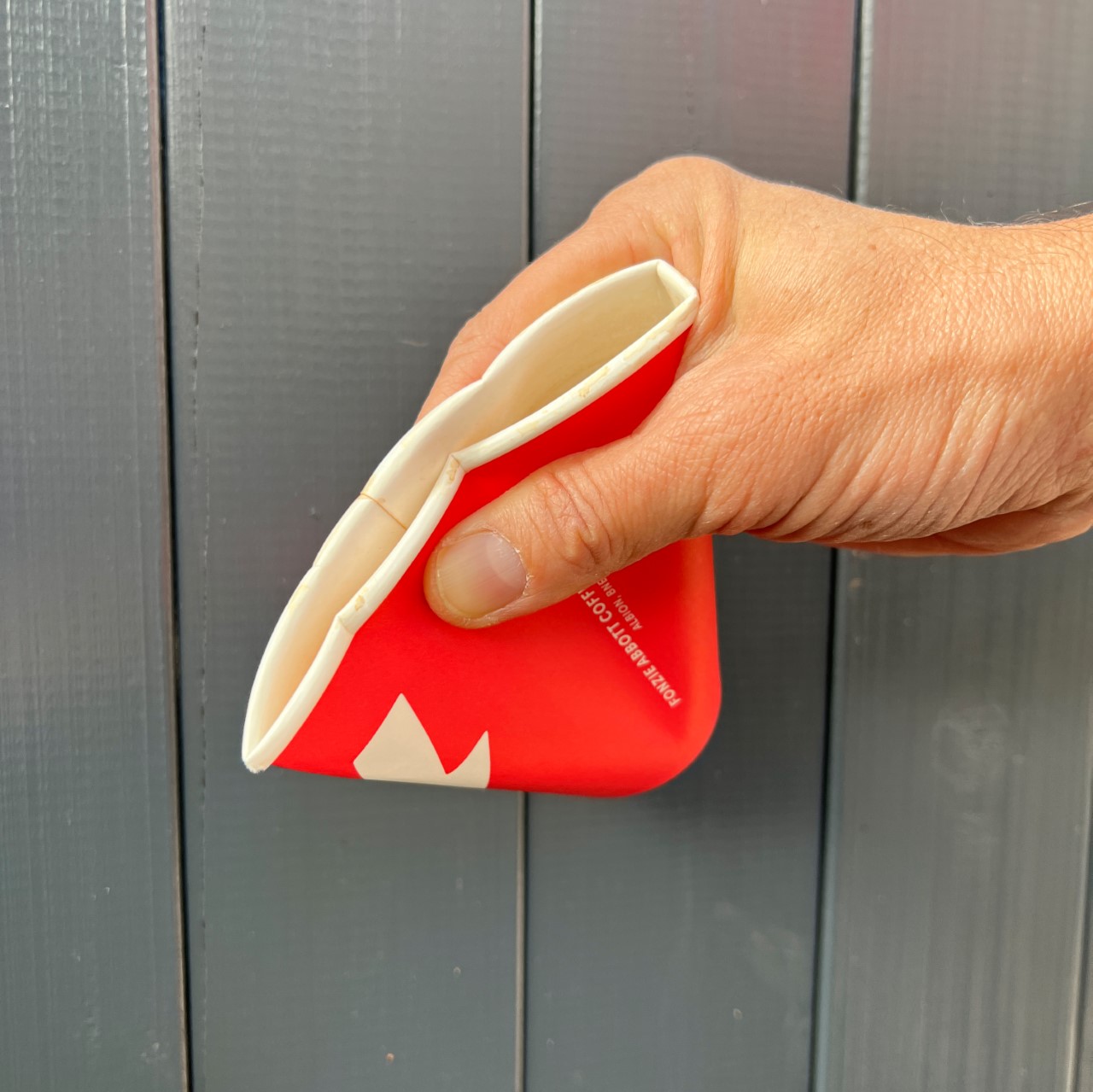
When I was still competing in triathlons, I always took small sips while running past the feed stations. I would mostly eat/ drink on the bike leg of the triathlon as it does tend to sit better in my stomach since there is less movement while I'm cycling. 

However, a study I read studied whether ingesting carohydrate sports drinks during prolonged running affects exogenous carbohydrate oxidation (sparing liver glycogen, and yet maintain exercise intensity)  and gastrointestinal discomfort. This means that your glycogen stores are not being used as quickly during exercise since whatever you are drinking is being used to fuel your exercise.

The runners studied did two, 100 minutes of steady state runs at moderate intensity. In the first run, the runners consumed 200mL every 20 min while they took 50 mL every 5 min during the second run.

The researchers found that exogenous carbohydrate oxidation rates were 23 percent higher during exercise when larger volumes were ingested every 20 minutes. They concluded that ingesting larger volumes would be better than frequently sipping small amounts since large volumes will stimulate gastric emptying and makes more carbs available for intestinal absorption.

More importantly, there was no difference in gastrointestinal problems whether a larger or smaller amount was ingested while running. The authors indicated that this was also similar to what was observed in earlier studies. They suggested that runners may be able to tolerate more fluids than they think they can during exercise.

Those who are still competing should try and practice ingesting more carhohydrate gels/ drinks in training to make sure you do not get any stomach upsets. This will train your gut to absorb more carbs and help you race faster.


Reference

Mears SA, Boxer B, Sheldon D et al (2020). Sports Drink Intake Pattern Affects Exogenous Carbohydrate Oxidation During Running. Med Sci Sports Ex. 52(9): 1976-1982. DOI: 10.1249/MSS.0000000000002334

*This topic has been well studied and recommendations are to consume 30-60 g/hr for exercise/ events lasting between 1 to 2.5 hours. For exercise/ events over 2.5 hours, up to 90g/ hr should be consumed. If more than 60g/ hr needs to be ingested, a combination of carbohydrates (e.g. glucose and fructose) needs to be ingested. 

Here's how I fold the paper cup to sip while running