Showing posts with label Magnesium deficiency. Show all posts

Sunday, June 26, 2022

Does Epsom Salt Work?

A patient came in earlier this week after an ankle sprain. She hadn't noticed that there was bruising all over the ankle joint. She told me that in order to recover quickly, she'd been told (by someone in a local running store) to soak herself in an Epsom salt bath. This reminded me of the patient who had been asked to take magnesium supplements for muscle cramps.

She was told by the very same person that once her body 'absorbs' the Epsom salt, it can reduce muscle sorenessinflammation and swelling.

So, are there any real benefits to soaking in Epsom salt baths? Or are they just old wive's tales?

You need to know that Epsom salt is also known as magnesium sulfate heptahydrate. It is made of magnesium, oxygen and sulphur. 

The proponents say that using Epsom salt in your bathwater helps your body absorb the 'much needed' magnesium to help flush away toxins and harmful heavy metals and help induce relaxation, reduce inflammation and help with muscle and nerve function. 

Getting magnesium directly into the blood intravenously or even orally is different from sitting in a bathtub and hoping the minerals get absorbed. There is only one small experiment done by researchers from the University of Birmingham in 2006 on some of their staff supporting this. 16 out of 19 of the subjects had higher levels of magnesium in their blood and urine after soaking in Epsom salt for an hour each day over 7 days.  

However Grober et al (2017) failed to find any proof of those claims. The authors also pointed out that the Birmingham study was never formally published in a peer review journal. No statistical tests were done and there wasn't a control group.

There is likewise no evidence that magnesium is absorbed through our skin (transdermal), at least not in relevant amounts scientifically.

Magnesium is an essential nutrient that's actually found in many of the foods we're already eating. It is actually abundant in our bodies. Our bodies need it to create new proteins, for energy production in cells, DNA synthesis etc. As it is essential, our bodies store it in our bones, where it can easily be accessed if needed. Since our bodies cannot produce it, we need to get it from our diet.

Severe deficiencies are uncommon but easy to spot. Symptoms include loss of appetite, vomiting and fatigue and following that numbness, muscle cramps, seizures, personality changes and heart artery changes if the deficiency continues. 

My patient was told that Epsom salt baths can reduce muscle soreness and relieve muscle cramps, that both are very important in exercise performance and recovery.

Please note that magnesium only helps when the muscle cramps are preceded by loss of your appetite, vomiting and fatigue. Not the muscle cramps when you're training hard or racing. Those who sell these supplements, probably choose not to mention this or perhaps they do not know the difference. The muscle cramps occur in your facial and masticatory (chewing) muscles too, not just the muscles in your feet and legs. 

Perhaps it is just the warm water (not the magnesium in the Epsom salt) with its capillary dilation which relaxes and relieves pain for those who seem to swear by it. I feel the water feels more silky after adding a big scoop of Epsom salt to it. The salt exofoliates the skin well too. Perhaps that's a better reason to use the Epsom salt?

References

Grober U, Werner T et al (2017). Myth Or Reality- Transdermal Magnesium? Nutrients 9(8): 813. DOI: 10.3390/nu9080813.

DiNicolantonio JJ, O'Keefe JH et al (2018). Subclinical Magnesium Deficiency : A Principal Driver Of Cardiovascular Disease And A Public Health Crisis. Open Heart. 5:e000668. DOI: 10.1136/openhrt-2017-000668.
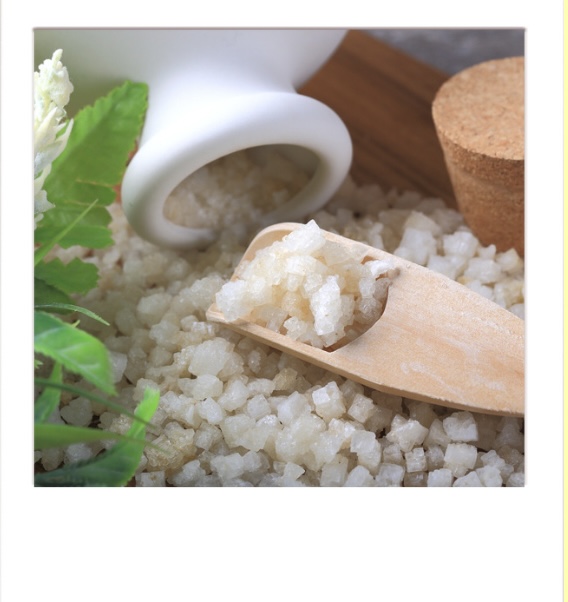

*Epsom salt was named after a spring in Surrrey, England that was first discovered in the early 1600's. The waters at the spring were thought to have healing powers and people started to believe that bathing in the waters would relieve them of sores and infections. 

Friday, September 27, 2019

Magnesium Supplements For Muscle Cramps?

Available from my local pharmacy
A patient came in today saying she went to a local running store and was advised to take some magnesium supplements as she cramps occasionally while racing. So she went ahead and bought some. She wanted my thoughts on whether they truly work since they seem to be the latest "silver bullet" that most runners seem to be taking.

Magnesium is an essential nutrient that's actually found in many of the foods we're already eating. It is actually abundant in our bodies. Our bodies need it to create new proteins, for energy production in cells, DNA synthesis etc. As it is essential, our bodies store it in our bones, where it can easily be accessed if needed. Since our bodies cannot produce it, we need to get it from our diet.

An adequate magnesium is needed for a healthy pregnancy and to produce enough milk after giving birth. It is also useful if you take diuretic drugs, proton pump inhibitors and if you're diabetic.

It is suggested that adults need 300-400 milligrams a day and you will get enough if you eat enough legumes (chickpeas, black and kidney beans), nuts, seeds, veggies (broccoli, cabbage, asparagus, kale and spinach), fatty fish (tuna, salmon and mackerel) and some fruits (avocado, bananas, figs, guava and raspberries).

It is estimated that 10-30 percent of people in developed countries may have a mild deficiency in magnesium (DiNicolantonio et al, 2018). Severe deficiencies are uncommon but easy to spot. Symptoms include loss of appetite, vomiting and fatigue and following that numbness, muscle cramps, seizures, personality changes and heart artery changes if the deficiency continues.

It is why those who sell these supplements tell athletes to take them - to prevent muscle cramps! But note that the muscle cramps are preceded by loss of your appetite, vomiting and fatigue. Not the muscle cramps when you're training hard or racing. Note that the muscle cramps that occur when you have a magnesium deficiency happens with activities of daily living (not while exercising/ racing). Not only the muscles in your feet and legs cramp, but also your facial and masticatory (chewing) muscles.

Those who sell magnesium tablets, body sprays, serum and bath salts will tell you their products will boost recovery, energy levels and promote DNA synthesis, bone strength and other important body functions. When something sounds too good to be true, it probably is. If you eat a healthy diet of the food listed above that is rich in magnesium, then you wouldn't need any magnesium supplements.

You will not benefit from taking magnesium supplements unless you're deficient. This can only be verified via a blood test.

If you are lacking magnesium, you can either eat food sources rich in magnesium or take supplements. There is no evidence that any form of magnesium (whether it is magnesium oxide, aspartate or citrate) is more easily absorbed by our bodies. So don't buy the most expensive brand or version of it.

As for magnesium creams, oils, sprays, flakes and bath salts etc, evidence suggest that they are not as effective as claimed (Grober et al, 2017).

So if you have done a blood test and have a magnesium deficiency, load up on magnesium rich food or go ahead take a cheap supplement.

"So that means I wasted my money" went my patient? Now you know. And you've read what causes muscle cramps.


References

Grober U, Werner T et al (2017). Myth Or Reality- Transdermal Magnesium? Nutrients 9(8): 813. DOI: 10.3390/nu9080813.

DiNicolantonio JJ, O'Keefe JH et al (2018). Subclinical Magnesium Deficiency : A Principal Driver Of Cardiovascular Disease And A Public Health Crisis. Open Heart. 5:e000668. DOI: 10.1136/openhrt-2017-000668.